
Expo Commodities Global

Inclusive Growth for Farmers

Multi-Origin Global Supply

Certified Organic & Fairtrade

Exporting Premium Spices Worldwide

Sri Lanka

Exploring the Spice Richness of Sri Lanka

Expo Commodities Sri Lanka

100% Transparent & Traceable Ceylon Spices

Expo Commodities Sri Lanka was established in 2014 with the aim of providing 100% transparent and traceable Ceylon spices and coconut products to the global food market. Although we began as a small trader, we are now one of the largest producers, processors, and exporters of natural and organic spices and coconut products in Sri Lanka. We work with 3200 farmers and have a processing capacity of 45,000 sq ft. Our certifications include Organic EU, NOP, JAS, ISO 22 000, and Fairtrade.

Sri Lanka is globally known as the “Spice Island” as we are one of the main suppliers of organic and natural spices to the global food market. The modern Sri Lankan spice industry evolved through four different stages: Arabian merchants (Before 1500), The Portuguese Age (1505), The Dutch Age (1640), and The British Age (1796).

Key Growing Areas

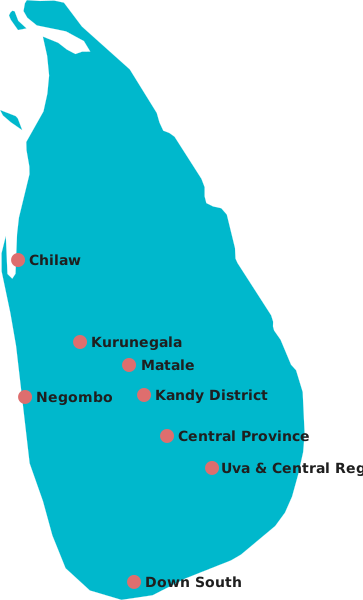
Spice Growing Regions

Each spice variety thrives in specific micro-climates and elevations across Sri Lanka’s diverse geography — from the misty central highlands to the coastal coconut belt.

Black Pepper

Uva & Central Region

Cloves

Central Province

Nutmeg

Kandy District

Mace

Kandy District

Cinnamon

Down South & Matale

Coconut

Negombo, Chilaw to Kurunegala

Direct Farmers
280

Working directly with ECG

Indirect Farmers
3180

Through our network

Accreditations

Sri Lanka Certifications

Image gallery marquee
Sri Lanka Products

Products from Sri Lanka

Six premium products sourced, processed, and exported directly from our Sri Lanka operations — each meeting the highest organic and food safety standards.

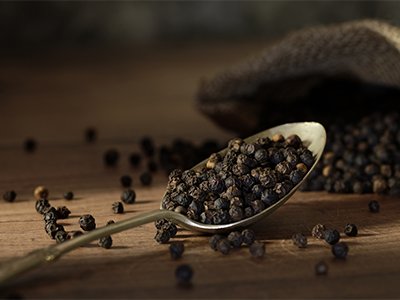
Black Pepper
Bold · Pungent · Aromatic

The king of spices — harvested at near-ripe stage and sun-dried to develop its bold, complex aroma and sharp, warming bite.

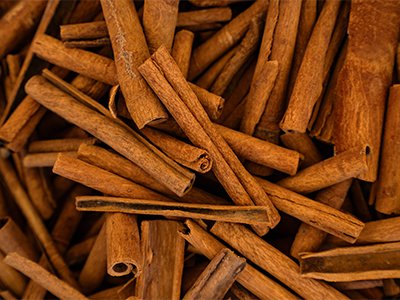
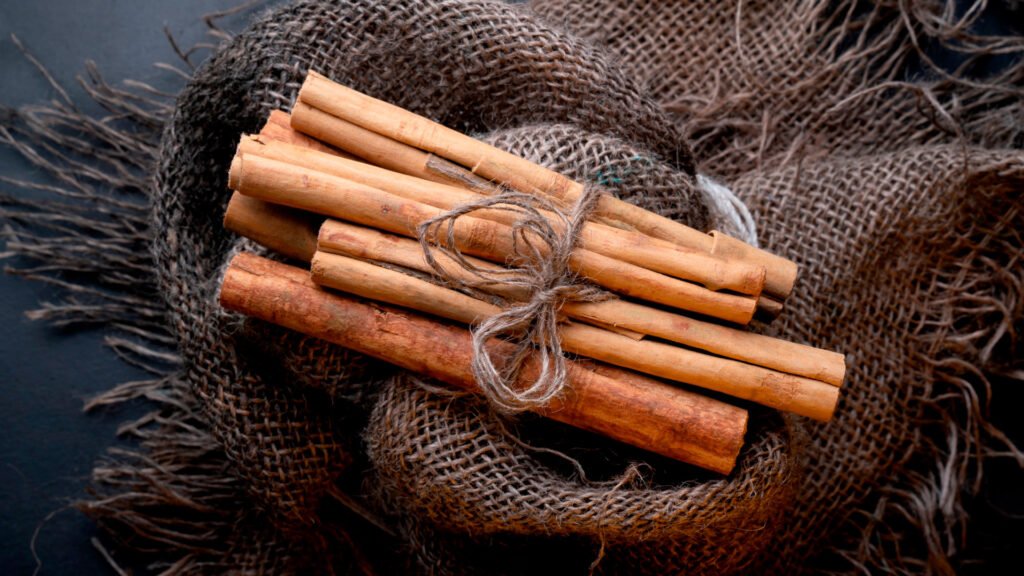
Cinnamon
Warm · Sweet · Delicate

The true finest Ceylon cinnamon in the world. Hand-rolled from the inner bark of Cinnamomum verum trees grown in Sri Lanka.

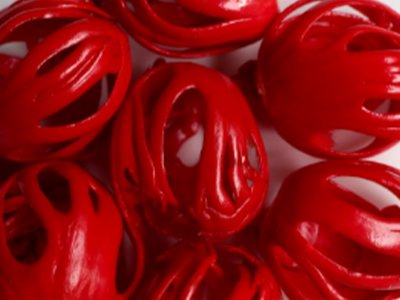
Mace
Aromatic · Warm · Subtle

The lacy red aril that surrounds the nutmeg seed. Prized for its delicate, slightly sweet fragrance and warm nutmeg-like flavour.

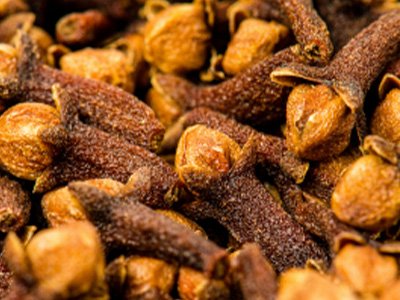
Cloves
Intense · Warming · Powerful

Aromatic flower buds with an intense, warming character. A core ingredient in spice blends, marinades, and essential oils worldwide.

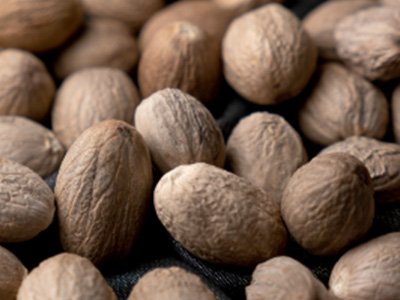
Nutmeg
Warm · Sweet · Versatile

The dried seed of Myristica fragrans — used across both sweet and savoury dishes for its warm, slightly sweet, complex flavour profile.

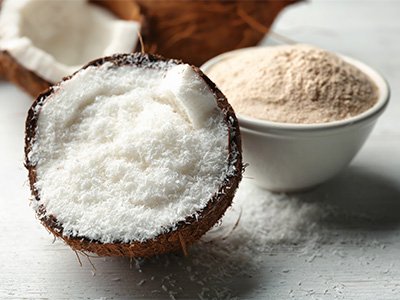
Desiccated Coconut
Fine · Fresh · Versatile

Freshly grated coconut dried to preserve natural sweetness and white colour. A kitchen staple for baking, confectionery, and snack applications worldwide.

From Farm to Export

Our Spice Processing Journey

Every spice we export follows a rigorous 8-step process — from sourcing through certified organic farms to final analysis before shipment.

01

Sourcing

Spice sourcing involves finding and procuring quality spices from trustworthy suppliers.

02

Cleaning / Sorting

Spice cleaning and sorting involve the removal of impurities such as stones or twigs, as well as the grading of spices by size and quality to ensure uniformity and consistency in flavour.

03

Drying

Spice drying is a process of removing moisture from fresh spices to improve their shelf life and concentrate their flavour.

04

Sterilization

Spices are sterilised to eliminate microorganisms, increase shelf life, and ensure their safety for use in food products.

05

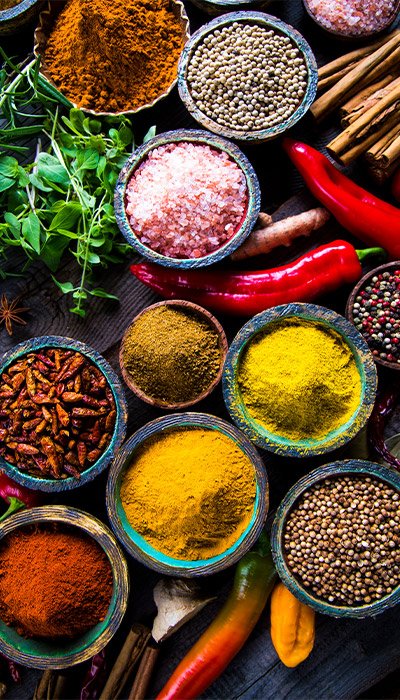
Grinding

Spice grinding is the process of crushing or pulverising whole spices to create a powder or paste, which enhances their flavour and aroma.

06

Analyzing

Spice analyzing evaluates quality, purity, and authenticity through various methods such as chromatography and microbiological testing.

07

Packing

Spice packing involves packaging and labelling spices to ensure their freshness, quality, and safety during storage and transportation.

08

Export

Spice export involves complying with international regulations and organizing logistics.

Scroll to Top