
The Rich Aromas of Vietnam
Leading Exporter of Natural & Organic Spices
Expo Commodities Vietnam was established in 2014 as a diversification of our global operations in the East Asian region. Today, we have become a highly competitive and leading exporter of natural and organic pepper, cassia, turmeric, coffee, cashew, and star anise, with an annual production capacity of over 15,000 MT. Our facility is FSSC 22 000 certified, ensuring that we meet and supply the highest food standard ingredients to our global partners.
At Expo Commodities Vietnam, we go beyond simply purchasing spices from farmers and suppliers. Instead, we work hand-in-hand with them to develop our downward integration. Currently, we are working with over 200 farmers and suppliers.
Vietnam is one of the largest producers and exporters of authentic spices to the global market, with a great market share of 60% in pepper exporting to over 110 countries. There is a wide variety of spices grown in Vietnam, each with their own unique characteristics.
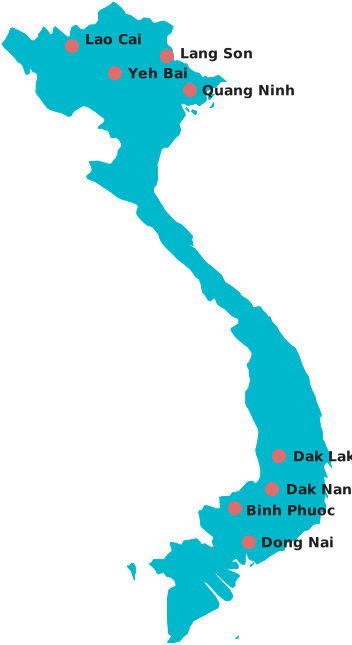
Spice Growing Regions

Cassia
Yen Bai · Quang Ninh · Lao Cai

Pepper
Dak Lak · Binh Phuoc · Dong Nai

Turmeric
Dak Lak · Dak Nong

Star Anise
Lang Son · Quang Ninh

Coffee
Binh Phuoc · Dak Nong

Cashew
Binh Phuoc

Working directly with ECG
Through our network
Vietnam Certifications


Products from Vietnam
Eight premium products sourced, processed, and exported from our Vietnam operations — each representing the exceptional growing conditions of Vietnam’s highland regions.
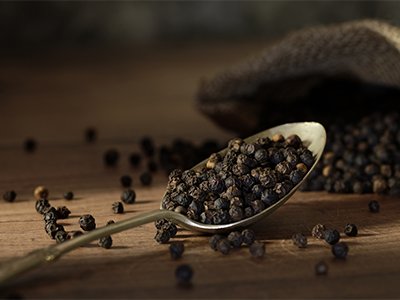
Black Pepper
Dak Lak · Binh Phuoc
Vietnam is the world’s #1 pepper exporter — commanding 60% of global market share. Bold, pungent, and complex black pepper from the central highlands of Dak Lak and Binh Phuoc.
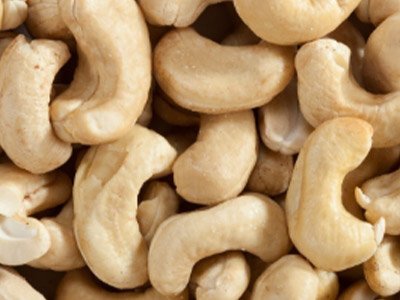
Cashew
Binh Phuoc · Vietnam's Top
Vietnam is the world’s largest cashew exporter. Premium raw and processed cashew nuts sourced from the red soils of Binh Phuoc — rich, buttery, and consistently high-grade.
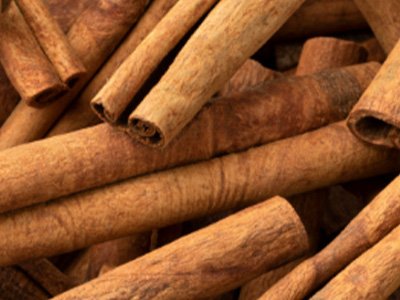
Cassia
Yen Bai · Quang Ninh · Lao Cai
Vietnamese Cassia — sourced from the mountainous northern provinces of Yen Bai and Lao Cai. Bold, intensely sweet cinnamon with higher volatile oil content, prized for industrial food applications.
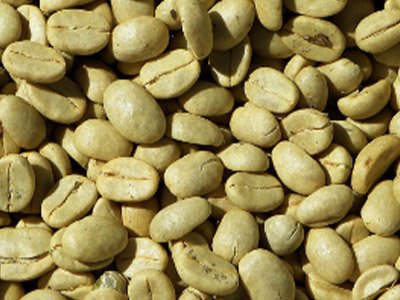
Coffee
Binh Phuoc · Dak Nong
Vietnam is the world’s second-largest coffee producer. Robusta coffee from the Central Highlands — bold, earthy, and with a distinct intensity that underpins espresso blends worldwide.
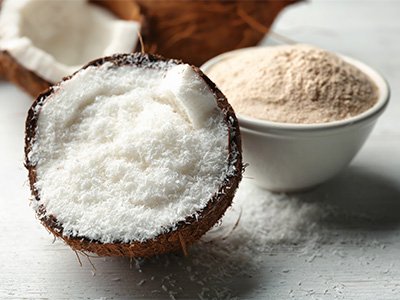
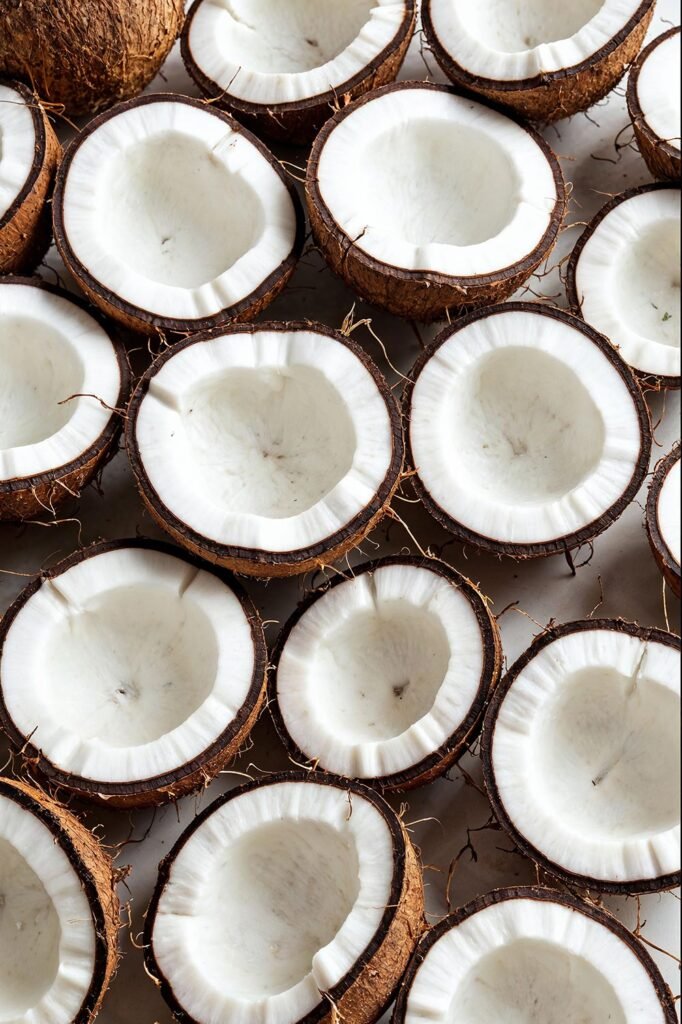
Desiccated Coconut
Vietnam · Coastal Farms
Freshly grated and dried coconut from Vietnam’s coastal growing regions — naturally white, sweet, and fragrant. A versatile ingredient across confectionery, baking, and snack food manufacturing.
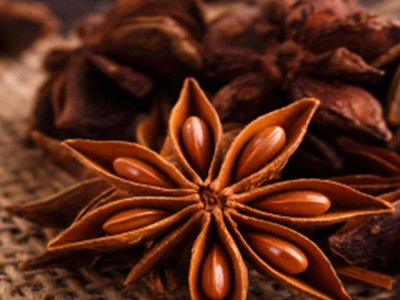
Star Anise
Lang Son · Quang Ninh
Vietnam’s Lang Son province produces the world’s finest star anise — Illicium verum. Powerfully aromatic with a deep, rich liquorice character essential in Asian cuisine and pharmaceutical extraction.
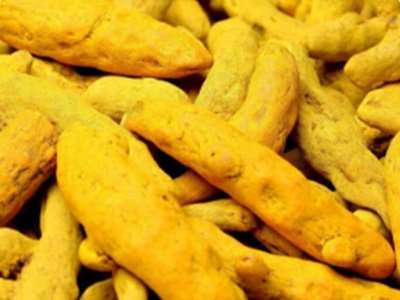
Turmeric
Dak Lak · Dak Nong
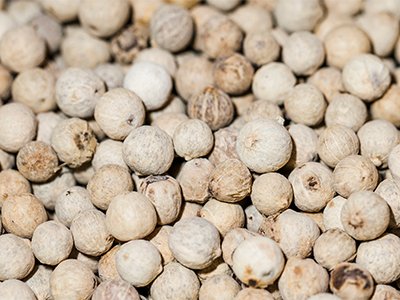
White Pepper
Dak Lak · Binh Phuoc
Ripe pepper berries soaked and de-husked to reveal the smooth, pale seed beneath. Cleaner, milder heat than black pepper — the choice of professional chefs for light sauces and fine seasoning.
Our Spice Processing Journey
Every spice we export from Vietnam follows a rigorous 8-step process — from sourcing through our FSSC 22000-certified facility to final analysis before global shipment.
01

Sourcing
Spice sourcing involves finding and procuring quality spices from trustworthy suppliers.

02

Storage
Proper spice storage is crucial for maintaining the flavour, potency, and quality of spices over time.

03

Drying
Spice drying is a process of removing moisture from fresh spices to improve their shelf life and concentrate their flavour.

04

Washing
Spice washing is the process of cleaning spices to remove dirt, debris, and any contaminants that may affect their flavour or safety.

05

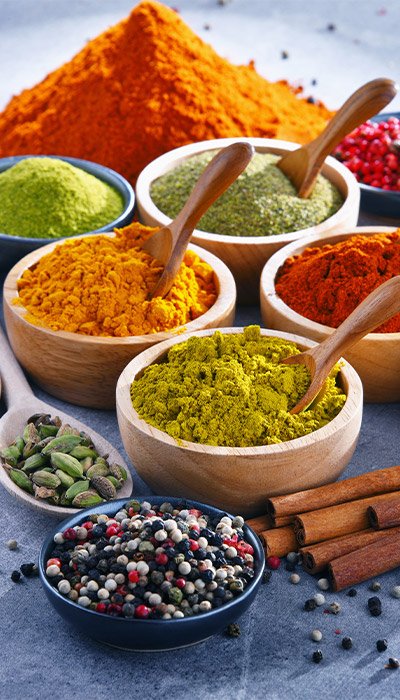
Grinding
Spice grinding is the process of crushing or pulverising whole spices to create a powder or paste, which enhances their flavour and aroma.
06

Cleaning / Sorting
Spice cleaning and sorting involve the removal of impurities such as stones or twigs, as well as the grading of spices by size and quality to ensure uniformity and consistency in flavour.

07

Cutting
Spice cutting is the process of chopping or slicing fresh or dried spices to a desired size and shape for use in cooking or garnishing.

08

Packing
Spice packing involves packaging and labelling spices to ensure their freshness, quality, and safety during storage and transportation.

09

Export
Spice export involves complying with international regulations and organizing logistics.